
You swipe right on someone who seems perfect. The conversation flows. You meet up. Then three weeks later, you’re back where you started, wondering why this person turned out just like the last one. Different face, same story. Different job, same emotional unavailability. Different hobbies, same inability to commit.
The pattern feels exhausting. And the question keeps coming back: why do I keep attracting the wrong people?
You’re not magnetically drawing in the wrong people. You’re unconsciously selecting them based on familiar patterns from your past. Your [attachment style](https://en.wikipedia.org/wiki/Attachment_theory), unhealed wounds, and self-worth beliefs create a filter that makes certain people feel comfortable even when they’re wrong for you. Breaking this cycle requires recognizing your patterns, understanding their origins, and actively choosing differently despite what feels natural.
You’re Not Attracting Them, You’re Selecting Them
Here’s the truth that changes everything: you’re not a magnet for toxic people.
You’re making choices.
Those choices happen fast, often below conscious awareness. But they’re still choices. When you match with someone on an app, respond to a text, agree to a second date, or overlook a red flag, you’re selecting.
The people who are wrong for you aren’t mysteriously drawn to you. They’re everywhere. They message lots of people. They go on lots of dates. But you’re the one who keeps saying yes.
This distinction matters because magnets can’t change their polarity. But you can absolutely change your selection criteria.
The Psychology Behind Repetitive Relationship Patterns
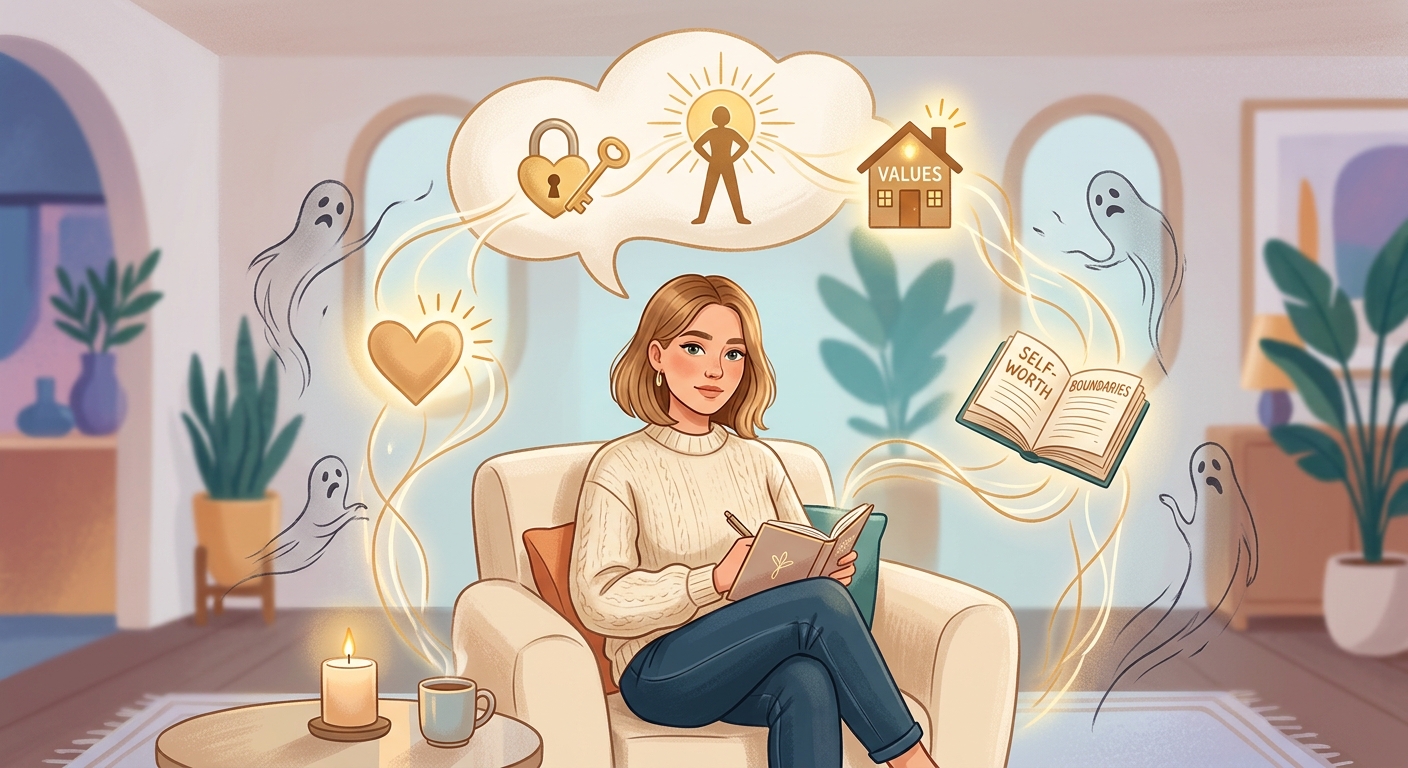
Your brain loves patterns. It craves familiarity. Even when familiar feels terrible, it still feels safer than unknown.
Psychologists call this repetition compulsion. You unconsciously recreate scenarios from your past, especially unresolved ones, in an attempt to master them. It’s your brain’s misguided way of trying to heal old wounds.
If your first relationship involved someone emotionally distant, your nervous system learned to associate love with that particular flavor of distance. Years later, when you meet someone warm and available, they might feel boring or “not your type.” But someone who makes you work for their attention? That feels like chemistry.
It’s not chemistry. It’s recognition.
Your body remembers the anxiety of waiting for a text. The relief when they finally reach out. The cycle of withdrawal and return. These sensations became wired into your understanding of what attraction feels like.
“We don’t fall in love with people who are good for us. We fall in love with people who feel familiar. And familiar is just another word for what we learned love looked like when we were young.” — Therapist and attachment researcher
The Four Patterns That Keep You Stuck
Most people who repeatedly choose the wrong partners fall into one of these patterns:
The Fixer
You’re drawn to people with obvious problems. Addiction, commitment issues, unresolved trauma, chaotic lives. You believe you can help them change.
This pattern often develops if you grew up feeling responsible for a parent’s emotional state. Maybe you had a depressed mother or an angry father. You learned that your value came from making broken things better.
The problem: you can’t fix another adult. And trying keeps you too busy to examine why you’re avoiding partners who are already whole.
The Anxious Pursuer
You chase people who are uncertain about you. The moment someone shows consistent interest, you lose yours. You interpret their availability as neediness or lack of options.
This pattern stems from anxious attachment. You learned early that love is inconsistent. Sometimes there, sometimes gone. So steady affection doesn’t register as love. It registers as suspicion.
The Self-Saboteur
You find great people. Then you destroy the connection. You pick fights, create distance, or suddenly decide they’re not right for you over minor issues.
This pattern protects you from the vulnerability of actually being loved. If you’ve been deeply hurt before, your nervous system might prefer the pain of loneliness to the terror of being seen and potentially rejected again.
The Settler
You choose people you’re not excited about because they’re “safe” or “stable.” You override your genuine feelings and try to logic yourself into attraction.
This pattern often comes from believing you don’t deserve better or that your actual desires are unrealistic. You settle before anyone can reject the real you.
How Your Attachment Style Shapes Your Choices
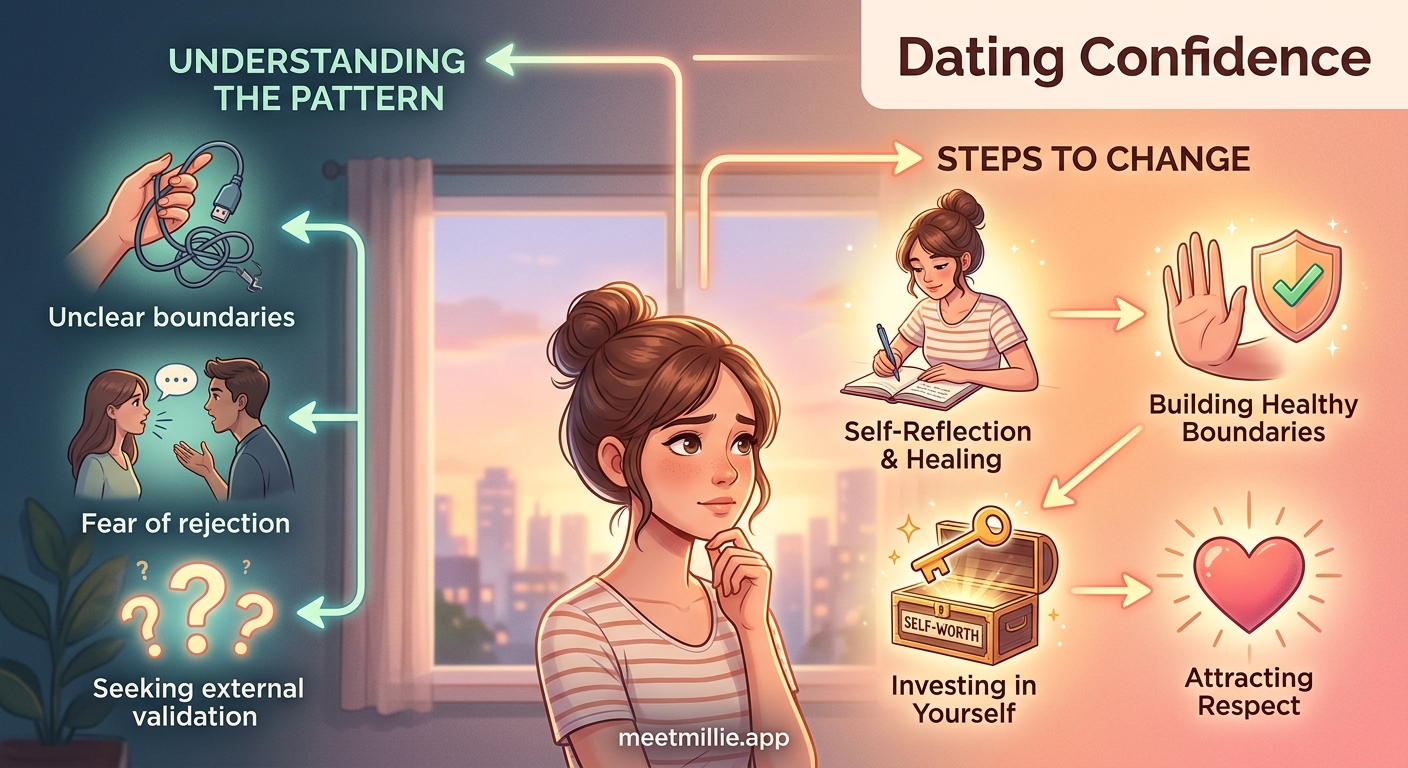
Your attachment style, formed in your earliest relationships, acts like an invisible filter on your dating life.
Anxious attachment makes you hyper-focus on people who are inconsistent. Their hot-and-cold behavior keeps your nervous system activated. When they’re warm, you feel euphoric. When they’re cold, you panic. This intensity feels like passion, but it’s actually just anxiety.
Avoidant attachment makes you uncomfortable with too much closeness. You’re attracted to people who won’t push for emotional intimacy. Or you choose people you can keep at arm’s length by focusing on their flaws.
Disorganized attachment creates a push-pull dynamic. You crave closeness but fear it simultaneously. You might choose partners who mirror this confusion, creating relationships that never quite stabilize.
Secure attachment is the goal. Securely attached people are comfortable with intimacy and independence. They choose partners who are emotionally available and consistent. They can spot red flags early because they trust their discomfort.
The good news: attachment styles can change with awareness and practice.
The Self-Worth Connection You Can’t Ignore
Your relationship patterns reflect what you believe you deserve.
Not what you say you deserve. What you actually, deep down, believe.
If you grew up feeling like you were too much or not enough, you’ll unconsciously choose partners who confirm that belief. Someone who treats you poorly feels correct. Someone who treats you well feels wrong, like they must not really know you yet.
This shows up in subtle ways:
- Staying with someone who criticizes you because you believe the criticism is accurate
- Feeling uncomfortable when someone compliments you genuinely
- Assuming good treatment is temporary or manipulative
- Believing you need to earn love through performance or perfection
You can’t choose better partners until you believe you deserve them. And you can’t believe you deserve them through positive thinking alone. You have to examine where the belief of unworthiness came from and actively work to change it.
The Red Flags You Keep Ignoring
You probably already know the red flags. You’ve read the articles. You’ve talked to friends. But you keep explaining them away.
Here’s why: red flags in the wrong person feel like personality quirks. Challenges to overcome. Signs of depth or complexity.
Red flags in someone who triggers your familiar patterns get reframed:
| Red Flag | How You Reframe It |
|---|---|
| They’re inconsistent with communication | They’re just busy or not big on texting |
| They avoid defining the relationship | They’re taking things slow and being thoughtful |
| They criticize you regularly | They’re honest and helping you improve |
| They keep you separate from their life | They value privacy and independence |
| They compare you to exes | They’re just processing their past |
| They make you feel anxious | You’re just really into them |
The pattern: you give them the benefit of the doubt you’d never extend to someone who didn’t activate your familiar wounds.
Someone secure and available might show a minor flaw, and you write them off immediately. Someone unavailable and inconsistent shows major flaws, and you see potential.
If you find yourself working harder to understand red flags you spot early on, that’s a sign you’re in a familiar pattern.
Breaking the Pattern Takes These Specific Steps
Recognizing your pattern is step one. Changing it requires deliberate action.
1. Map Your Relationship History
Write down your last five significant relationships or dating situations. For each one, note:
- What initially attracted you
- What the main problems were
- How it ended
- What role you played in the dynamic
Look for threads. The same complaints. The same type of person in different packaging. The same way things fall apart.
2. Identify Your Earliest Template
Think about your first experience of love. Usually a parent or primary caregiver.
- Were they consistent or unpredictable?
- Did you feel safe or anxious?
- Did you have to perform to earn affection?
- Were your needs met or dismissed?
Your adult relationships often echo this template. The person who felt impossible to please might lead you to choose partners you can never quite satisfy. The parent who was physically present but emotionally absent might make emotional unavailability feel like home.
3. Notice Your Body’s Signals
Your body knows the difference between anxiety and attraction, even when your mind confuses them.
Real attraction with a healthy person often feels:
* Calm
* Steady
* Safe
* Grounding
Attraction based on familiar wounds often feels:
* Anxious
* Obsessive
* Unstable
* Consuming
If you feel like you can’t stop thinking about someone after one date, that’s not necessarily a good sign. It might mean they activated an old wound.
4. Date Against Type Intentionally
This doesn’t mean force yourself to date people you’re not attracted to.
It means giving genuine chances to people who don’t immediately trigger your familiar patterns. The person who texts back consistently. Who’s clear about their interest. Who doesn’t make you guess.
They might feel boring at first. That’s your nervous system mistaking calm for lack of chemistry. Stick with it long enough to see if real attraction develops when you’re not running on anxiety.
5. Work With a Professional
Patterns this deep usually need professional help to shift. A therapist who specializes in attachment or relationship patterns can help you see what you can’t see alone.
They’ll catch you in real-time when you’re rationalizing red flags. They’ll help you understand why certain people feel irresistible. They’ll give you tools to tolerate the discomfort of choosing differently.
6. Build Self-Worth Outside of Relationships
You can’t choose healthy partners from a place of desperation or emptiness.
Develop a life you genuinely enjoy. Friendships that nourish you. Hobbies that engage you. A sense of purpose beyond finding a relationship.
When your life feels full, you’re less likely to settle for someone who depletes you. You have something to protect.
Building genuine confidence changes how you show up in dating entirely.
Common Mistakes People Make When Trying to Change
Knowing your pattern isn’t enough. Most people make these errors when trying to break it:
-
Swinging to the opposite extreme: If you dated emotionally unavailable people, you might overcorrect by choosing someone who’s suffocating. The goal isn’t the opposite of your pattern. It’s secure and balanced.
-
Expecting instant comfort: Healthy will feel unfamiliar at first. Don’t mistake unfamiliar for wrong. Give it time.
-
Analyzing instead of feeling: You can intellectually understand your pattern and still repeat it. Healing requires emotional work, not just insight.
-
Blaming yourself harshly: These patterns aren’t character flaws. They’re adaptations you made to survive difficult early experiences. Treat yourself with compassion as you work to change them.
-
Rushing the process: You didn’t develop these patterns overnight. You won’t undo them overnight. Expect gradual progress, not sudden transformation.
What Healthy Selection Actually Looks Like
When you start choosing differently, dating feels different.
You notice red flags early and trust them. You don’t need to convince yourself someone is right. You feel calm around people who are good for you, not anxious.
You’re okay walking away from potential when something feels off. You don’t need to know exactly what’s wrong. The feeling of wrong is enough.
You stop doing all the work in early dating. You let people show you who they are. You believe them the first time.
You’re attracted to consistency, not chaos. Someone who follows through becomes more appealing than someone who keeps you guessing.
You can tolerate the slower pace of healthy relationship development. You don’t need intensity to feel alive.
This doesn’t mean you’ll never feel nervous or uncertain. It means those feelings won’t be the primary fuel of your attraction.
The Timeline for Real Change
People want to know how long this takes.
The honest answer: it varies. Some people shift their patterns in months. Others need years.
Factors that speed up change:
* Working with a skilled therapist
* Actively practicing new behaviors in real dating situations
* Addressing underlying trauma
* Building genuine self-worth
* Having support from friends who call you out lovingly
Factors that slow down change:
* Only reading about patterns without taking action
* Staying in relationships that confirm old patterns
* Avoiding therapy or deep emotional work
* Isolating instead of dating
* Expecting perfection from yourself
Most people see meaningful shifts within six months to a year of consistent, intentional work. But the deepest changes often take longer to solidify.
When You Slip Back Into Old Patterns
You will. Everyone does.
You’ll meet someone who activates every old wound. You’ll feel that familiar pull. You might even pursue it for a while before you catch yourself.
This isn’t failure. It’s information.
Each time you recognize the pattern faster, you’re making progress. The goal isn’t perfection. It’s increasing awareness and decreasing the time you spend in situations that hurt you.
When you notice yourself falling into an old pattern:
- Acknowledge it without shame
- Get curious about what triggered it
- Reach out for support
- Make a different choice, even if it feels uncomfortable
- Celebrate the awareness, even if you didn’t change the behavior yet
Change happens in spirals, not straight lines. You’ll revisit the same lessons at deeper levels.
Your Past Doesn’t Have to Be Your Future
The question isn’t really “why do I keep attracting the wrong people?”
The real question is: “What am I ready to do differently?”
Your patterns make sense. They developed for good reasons. They protected you once. But they’re not protecting you anymore. They’re keeping you stuck in painful cycles that confirm old beliefs about yourself and love.
You can choose differently. Not by forcing yourself to be attracted to people you’re not interested in. But by understanding why certain people feel irresistible and learning to tolerate the unfamiliar feeling of genuine safety.
The right people won’t feel like the dramatic, consuming connections you’re used to. They’ll feel steadier. Calmer. More boring at first, maybe.
Give boring a chance. Sometimes boring is just another word for secure. And secure is what actually feels good long-term, once your nervous system learns to trust it.
Start small. Notice one pattern. Make one different choice. See what happens. Then do it again.
The cycle breaks one decision at a time.