
You’re standing outside the restaurant, the conversation was great, and now there’s this pause. Your date is smiling, lingering, maybe leaning in just slightly. Your heart is racing. Do you go for it? Pull back? Say something?
The question of whether to kiss on a first date isn’t just about attraction. It’s about timing, mutual interest, and respecting boundaries while still being bold enough to show you’re interested. Getting it right can set the tone for everything that follows. Getting it wrong can make things awkward fast.
A first date kiss is appropriate when both people show clear signs of interest through body language, conversation, and physical proximity. Watch for sustained eye contact, touch reciprocation, and lingering at the end of the date. Always prioritize consent and comfort over pressure or expectation. The right moment feels natural, not forced.
Reading the Signs Before You Lean In
Body language tells you almost everything you need to know. People broadcast their interest or disinterest through dozens of tiny signals, most of which happen below conscious awareness.
Start by noticing proximity. Has your date been sitting or standing close to you? Did they find reasons to touch your arm during conversation? These are green lights.
Eye contact matters enormously. If someone holds your gaze for a beat longer than necessary, looks at your lips while you’re talking, or keeps glancing at you with a soft smile, they’re signaling openness.
Physical mirroring is another reliable indicator. When someone is attracted to you, they unconsciously mirror your posture and movements. If you lean in and they lean in too, that’s a good sign. If you touch their hand and they don’t pull away or they touch you back, even better.
Conversely, watch for signs of discomfort. Crossed arms, turned shoulders, checking their phone frequently, or creating physical distance all suggest they’re not ready for a kiss. Respect those signals.
The end of the date is the natural testing ground. If your date suggests extending the evening, walks slowly toward their car, or finds reasons to keep talking instead of saying goodbye, they’re probably hoping for a kiss.
The Right Timing Makes All the Difference
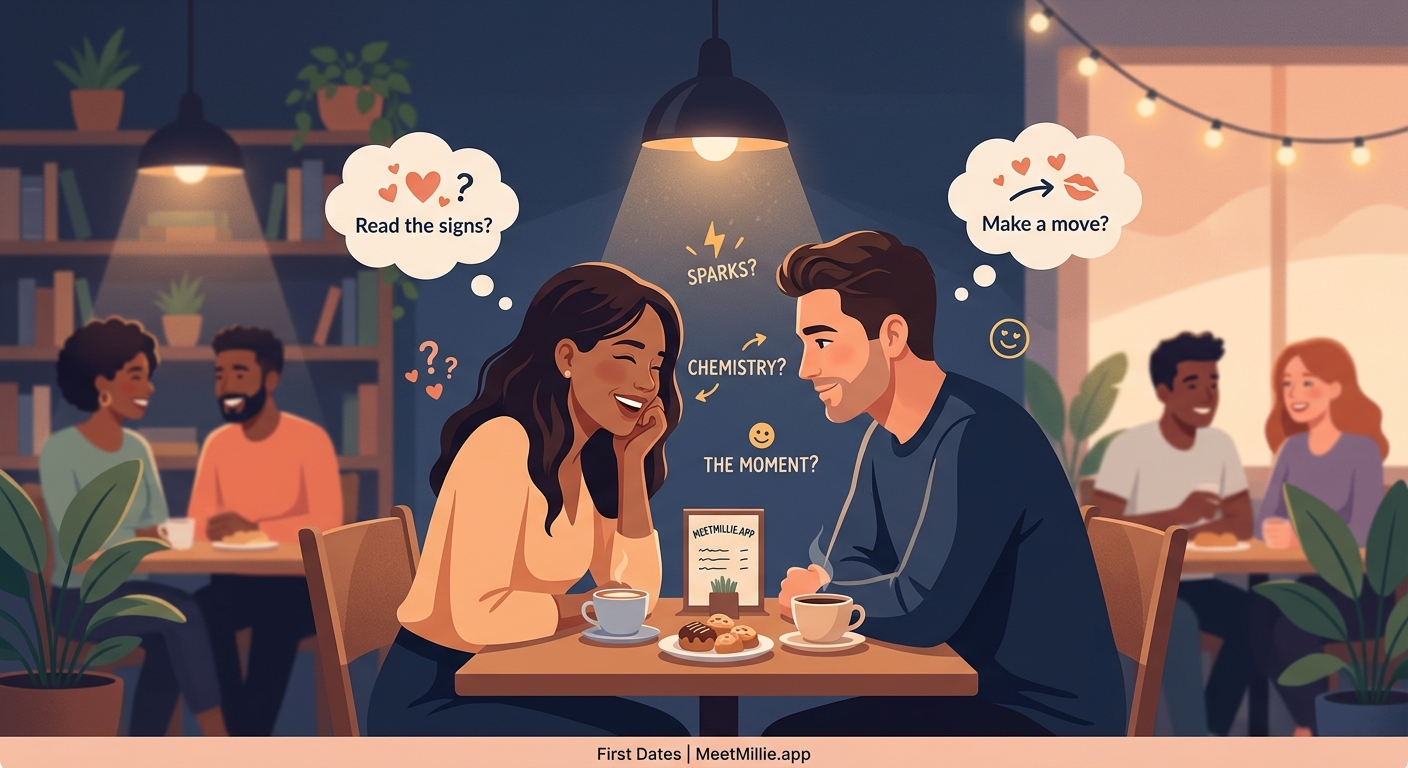
Not every great first date should end with a kiss. Sometimes the connection is there but the moment isn’t right. Timing depends on context, comfort level, and the pace you’ve both set.
Consider the venue and setting. A first date that lasted several hours with multiple activities naturally builds more intimacy than a 45-minute coffee meeting. The longer you spend together in a positive way, the more natural a kiss feels.
Public versus private settings matter too. Some people feel comfortable kissing in front of a crowded restaurant. Others prefer a more secluded moment. Read your date’s personality. Have they been affectionate in public? Or more reserved?
The emotional tone of the conversation also guides timing. If you’ve been laughing together, sharing personal stories, and the vibe feels warm and connected, a kiss fits that energy. If the date felt more like a friendly interview or the conversation stayed surface level, a kiss might feel premature.
Some dates build to a natural peak. Maybe you’re walking through a park and stop to look at the city lights. Maybe you’re standing by their car and the conversation naturally winds down. These pauses create space for a kiss without forcing it.
Other dates end more abruptly. Someone has to catch a train or get home to walk their dog. In those cases, a kiss might feel rushed. A warm hug and a clear expression of interest in seeing them again can be just as powerful.
How to Actually Go for the Kiss
Assuming the signs are there and the moment feels right, you still have to execute. This is where many people freeze up or second-guess themselves.
The simplest approach is the slow lean. As you’re saying goodbye, maintain eye contact, smile, and lean in gradually. This gives your date time to meet you halfway or to turn their head if they’re not ready. A kiss should never feel like an ambush.
You can also create a verbal bridge if you’re nervous. Something like “I had a really great time tonight” paired with a soft touch on their arm can signal your intention without being too forward. If they respond warmly, the physical follow-through becomes easier.
The 90/10 rule works well here. You go 90% of the way, and let them close the final 10%. This puts the decision in their hands and ensures mutual consent.
If you’re really uncertain, you can ask. “Can I kiss you?” might feel awkward in your head, but in the moment, it often comes across as respectful and confident. Most people appreciate being asked rather than having their space invaded.
Keep the first kiss simple. A soft, brief kiss is almost always the right call. Save the longer, more intense kissing for when you know each other better. The goal is to leave them wanting more, not overwhelmed.
“A first kiss should feel like an invitation, not a conclusion. You’re opening a door, not trying to walk through the entire house on day one.” — Dating coach and relationship therapist
When NOT to Kiss on a First Date
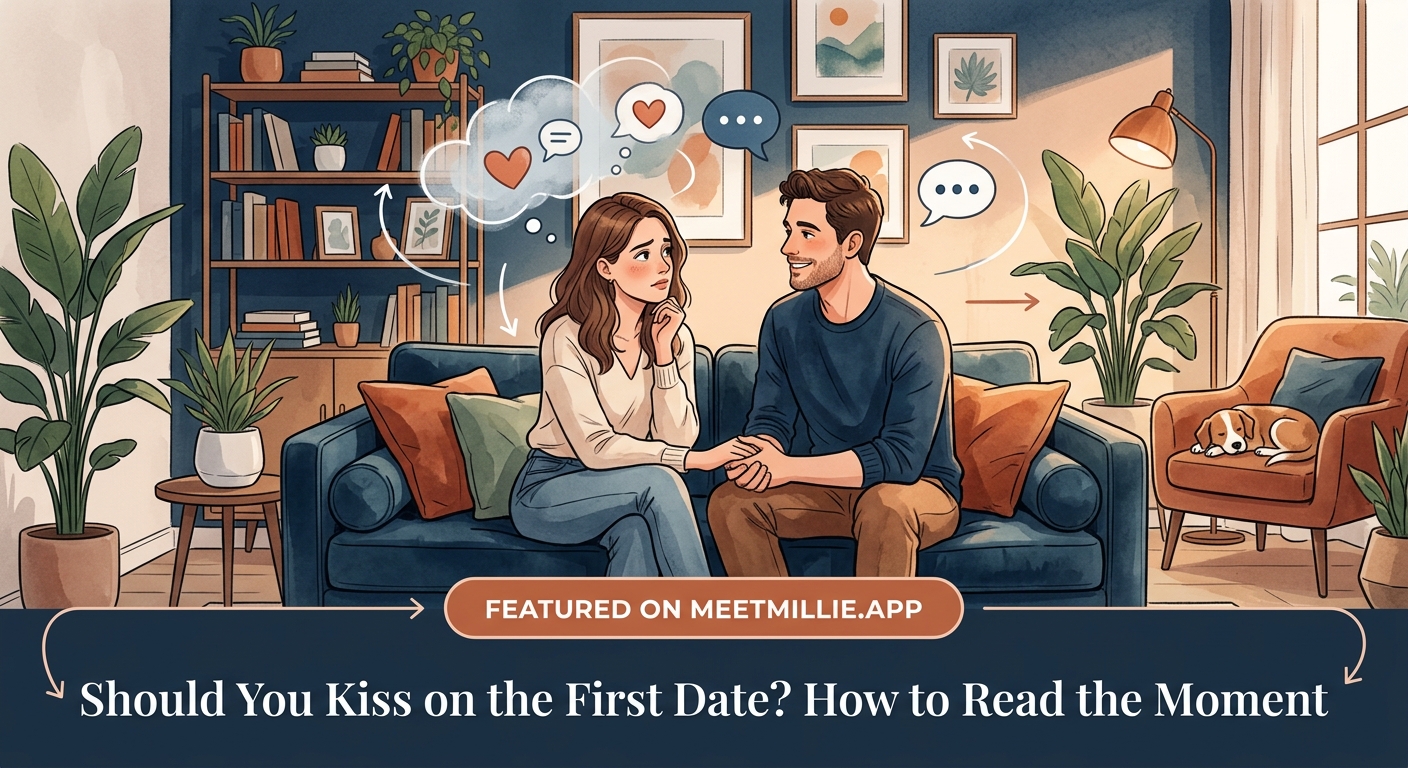
There are situations where a kiss is a bad idea, even if you’re attracted to each other.
If either of you has been drinking heavily, skip it. Consent requires clarity. A kiss that happens when someone is tipsy might feel different the next morning.
If your date has explicitly mentioned they prefer to take things slow, respect that boundary. Some people need more time to build trust before physical intimacy feels right. Pushing past that preference damages the connection you’re trying to build.
If you noticed any red flags during the date, a kiss won’t fix them. Don’t let physical attraction override your instincts about compatibility or character.
If the conversation has been awkward or forced, a kiss won’t magically create chemistry. Sometimes a first date just doesn’t click. That’s okay. A polite goodbye is more honest than a kiss you don’t really want.
If you’re not genuinely interested in seeing them again, don’t kiss them. It sends mixed signals and wastes everyone’s time. Be kind, be clear, and move on.
What Happens After the Kiss
The moments immediately following a first kiss set the tone for what comes next.
Don’t immediately pull away and check your phone. Stay present for a few seconds. Smile. Make eye contact. Let the moment land.
A simple “I’m really glad we did this” or “I’ve been wanting to do that all night” acknowledges what just happened without making it weird.
Then say goodnight. Don’t linger for another 20 minutes unless it feels natural. The kiss is a high note. End on it.
Follow up within a day or two. Text them something genuine about the date and your interest in seeing them again. A kiss without follow-through feels confusing and can make someone feel used.
If the kiss was awkward, don’t panic. First kisses are rarely perfect. If the connection is real, you’ll both laugh about it later. What matters more is how you handle the overall interaction.
Common Mistakes That Kill the Moment
Certain moves almost always backfire, even when the chemistry is there.
Going in without reading the room is the biggest error. If you haven’t paid attention to body language or verbal cues, you’re gambling. Sometimes you win. Often you don’t.
Apologizing after the kiss makes it weird. Unless you genuinely misread the situation and they pulled away, don’t say sorry. Own the moment with confidence.
Asking “Was that okay?” immediately after can come across as insecure. If they kissed you back, it was okay. If they didn’t, you’ll know without asking.
Turning the kiss into a full makeout session on a first date usually feels like too much too soon. Read the energy. If they pull back even slightly, respect that.
Talking too much before or after the kiss can ruin the mood. Sometimes silence is better. Let the moment speak for itself.
| Good Move | Why It Works | Bad Move | Why It Fails |
|---|---|---|---|
| Slow lean with eye contact | Gives them time to respond | Sudden lunge | Feels aggressive and startling |
| Asking permission | Shows respect and confidence | Assuming consent | Ignores their comfort and agency |
| Brief, soft first kiss | Leaves them wanting more | Aggressive tongue | Overwhelming and presumptuous |
| Smiling after | Acknowledges the positive moment | Immediate phone check | Signals disinterest or distraction |
| Following up next day | Reinforces interest | Radio silence for a week | Creates confusion and doubt |
Gender Dynamics and Who Makes the First Move
Traditional dating rules suggested men should always initiate. That’s outdated and limiting.
Anyone can go for the first kiss, regardless of gender. What matters is reading the situation and respecting boundaries.
That said, some people still prefer traditional dynamics. If you’ve been on a date with someone who seems more reserved or traditional in their approach, they might be waiting for you to make the move.
Others appreciate when their date takes initiative, regardless of who that is. Many women report feeling frustrated when a man they’re attracted to doesn’t go for a kiss when the moment is right.
The key is calibration. Pay attention to how your date has behaved throughout the evening. Have they been assertive and direct? Or more passive and responsive? That gives you clues about what they might expect or appreciate.
If you’re unsure, a verbal check-in works for anyone. “I’d really like to kiss you” is clear, confident, and gives them space to say yes or no.
Building Comfort Throughout the Date
The groundwork for a successful first kiss starts long before the goodbye.
Small touches throughout the date normalize physical contact. A hand on the small of their back as you walk through a door. A playful touch on the arm when they make you laugh. A brush of hands when you’re walking side by side.
These micro-moments of contact let you gauge their comfort level. If they lean into your touch or reciprocate, you’re building a foundation. If they stiffen or pull away, you know to slow down.
Compliments that feel genuine also create warmth. Telling someone they look great, especially if you tie it to something specific like what they chose to wear, makes them feel seen and appreciated.
Shared laughter is one of the strongest predictors of physical chemistry. If you’ve been laughing together throughout the date, a kiss feels like a natural extension of that positive energy.
Vulnerability builds intimacy. If you’ve both shared something meaningful or personal during the conversation, you’ve created emotional closeness. Physical closeness often follows.
Alternatives to a First Date Kiss
Not every great first date needs to end with a kiss. There are other ways to signal interest and leave a strong impression.
A warm, lingering hug can communicate attraction without the pressure of a kiss. Hold it for a few beats longer than a friendly hug. Make eye contact when you pull away.
A kiss on the cheek strikes a middle ground. It’s more than a handshake but less than a full kiss. It works especially well if you sense your date is interested but cautious.
Verbal affirmation is underrated. Telling someone directly that you had a great time and want to see them again creates clarity. Pair it with a smile and sustained eye contact, and the message lands.
Playful touch as you say goodbye, like tucking a strand of hair behind their ear or a gentle touch on their shoulder, can communicate interest without crossing into kiss territory.
Sometimes the best move is patience. If the connection is real, there will be a second date. The anticipation of a first kiss on date two can actually build more excitement than rushing into it on date one.
What to Do If the Kiss Gets Rejected
It happens. You lean in, and they turn their head or step back. It’s uncomfortable, but it’s not the end of the world.
First, don’t make it a bigger deal than it is. A simple “No worries” or “I misread that, my bad” acknowledges what happened without dwelling on it.
Don’t demand an explanation or make them feel guilty. They don’t owe you a kiss, and they don’t owe you a detailed reason why they’re not ready.
Pay attention to their response. If they seem apologetic and explain they’re just taking things slow, that’s different from someone who seems uncomfortable or put off. The former might still be interested. The latter probably isn’t.
If the vibe is still good after the moment passes, you can salvage the date. Shift back into conversation, suggest grabbing another drink, or just continue the evening naturally. Sometimes a rejected kiss isn’t about you at all.
If the vibe is awkward and stays awkward, it’s okay to wrap things up gracefully. Thank them for their time, say goodnight, and move on.
Follow up once after the date to gauge their interest. If they respond warmly and suggest meeting again, the kiss rejection was about timing, not attraction. If they’re vague or don’t respond, take the hint.
The Pressure to Kiss and Why It’s Overrated
Dating culture sometimes treats a first date kiss like a mandatory milestone. It’s not.
Some of the best relationships start with dates that end in a hug or a smile and a promise to meet again. The absence of a kiss doesn’t mean the absence of chemistry.
Forcing a kiss because you think you’re “supposed to” almost always feels hollow. Both people can sense when something is happening out of obligation rather than genuine desire.
The goal of a first date is to figure out if you want a second one. A kiss can be part of that, but it’s not the only indicator of success.
Some people need more time to feel comfortable with physical touch. Others have personal or cultural reasons for moving more slowly. Respecting that is far more attractive than pushing for a kiss that doesn’t feel right.
If you’re genuinely interested in someone, the kiss will happen eventually. Patience often leads to better outcomes than pressure.
Making the Decision That Feels Right for You
At the end of the day, the question of whether to kiss on a first date comes down to your own comfort and instincts.
If the moment feels right, the signs are there, and you genuinely want to, go for it. Confidence is attractive, and most people appreciate someone who can read a situation and act on it.
If you’re uncertain, there’s no shame in waiting. A second date gives you more information and more comfort. The anticipation can actually make the eventual kiss better.
Trust your gut. If something feels off, even if you can’t name exactly what it is, listen to that instinct. Your subconscious picks up on cues your conscious mind might miss.
Don’t let anyone else’s expectations dictate your choices. Not your friends, not dating advice columns, not even your date. You get to decide what feels right for your body and your boundaries.
When the Kiss Becomes the Start of Something Real
A first kiss is just one moment in a much longer story. It’s not the climax. It’s an opening line.
The best first kisses are the ones that leave both people smiling, texting their friends about it later, and counting down the hours until the next date.
They’re the kisses that happen because two people genuinely like each other, not because they felt obligated or wanted to check a box.
They’re the kisses that feel easy and natural, not forced or calculated.
And they’re the kisses that make you think, “I want to do that again.”
If you get to the end of a first date and the moment presents itself, trust yourself. Read the signs. Be respectful. Be confident. And if it feels right, lean in.
The worst that happens is a moment of awkwardness. The best that happens is the start of something worth remembering.