You’re doing everything you think you should. You’re saying “I love you,” planning date nights, and showing up. But somehow, your partner still seems distant. They don’t light up the way you hope. And you’re left wondering if you’re missing something obvious.
The problem isn’t your effort. It’s that you’re speaking different emotional dialects.
When partners express and receive love differently, disconnection grows despite genuine effort. Understanding your partner’s primary love language and learning to communicate affection in ways they naturally recognize creates deeper intimacy. This requires observing what they request most often, noticing what makes them feel valued, and consistently practicing expressions that feel less natural to you but deeply meaningful to them.
Why Speaking Different Love Languages Creates Distance
Love languages aren’t just a trendy relationship concept. They’re patterns of behavior that make people feel seen and valued.
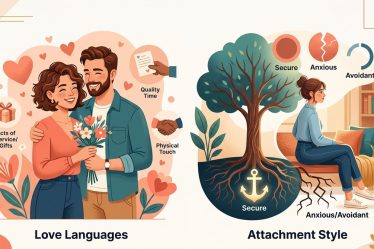
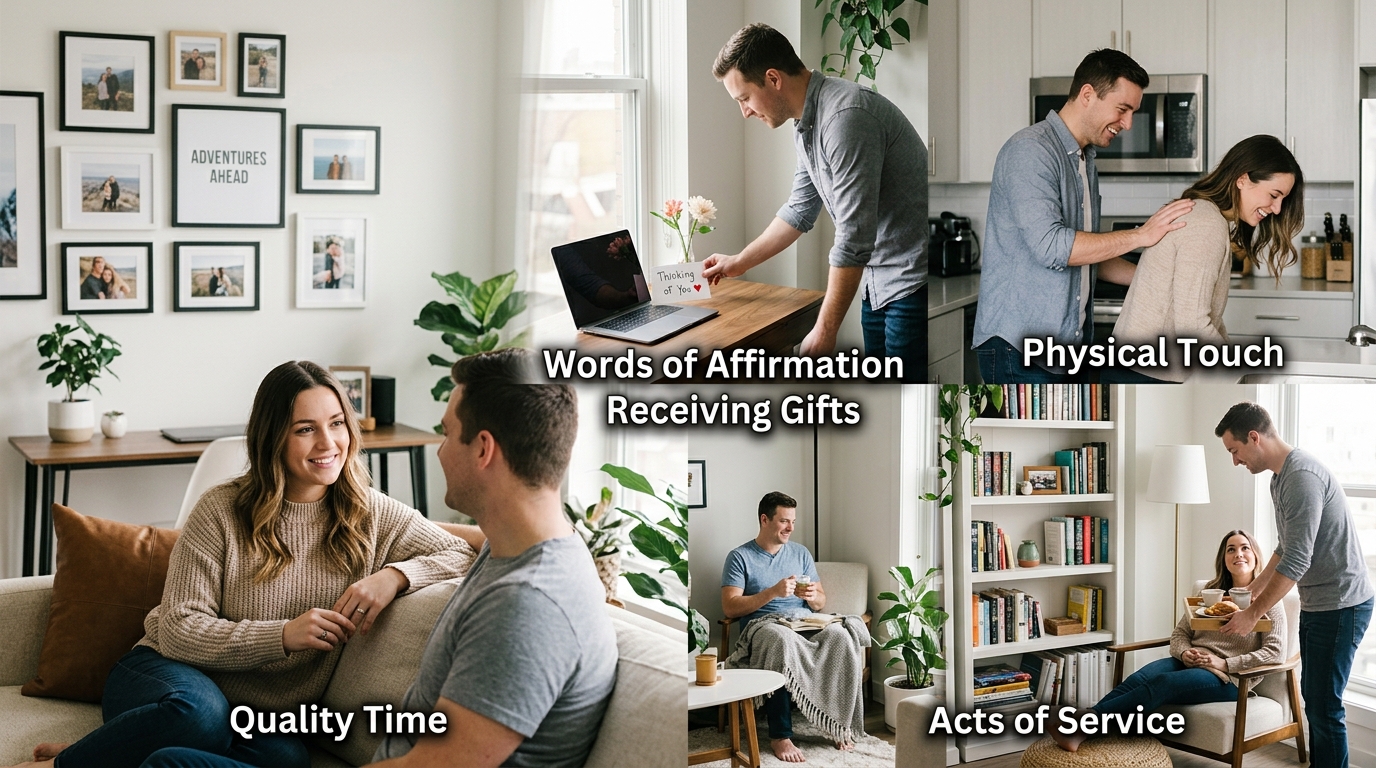
Dr. Gary Chapman identified five primary ways people give and receive love. Words of affirmation, quality time, physical touch, acts of service, and receiving gifts.
Here’s the challenge. Most people naturally give love in the language they prefer to receive it.
If you value quality time, you plan elaborate date nights. If your partner’s language is acts of service, they might not register those dates as love. They notice when you fold their laundry or fill their gas tank.
This creates a feedback loop of frustration. You’re both giving. Neither is receiving.
The emotional bank account stays empty despite constant deposits in the wrong currency.
The Five Love Languages and What They Actually Mean
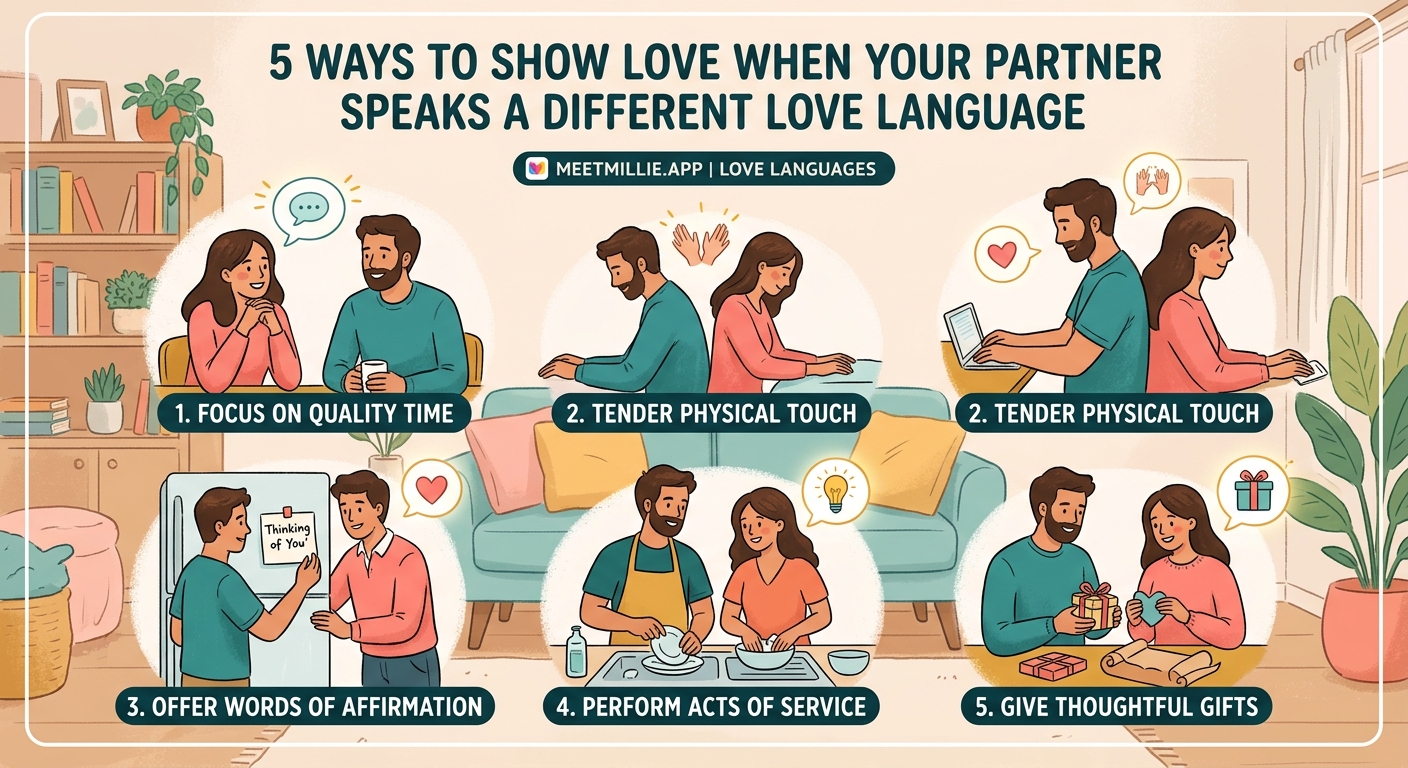
Understanding each language helps you recognize what your partner truly needs.
Words of Affirmation means verbal appreciation matters most. These partners need to hear “I’m proud of you” or “You handled that situation so well.” Compliments, encouragement, and verbal recognition fill their tank.
Quality Time isn’t just being in the same room. It’s undivided attention. No phones. No distractions. These partners feel loved when you’re fully present during conversations or activities.
Physical Touch goes beyond intimacy. It includes holding hands while walking, a back rub after work, or sitting close on the couch. For these partners, physical connection equals emotional connection.
Acts of Service means actions speak louder than words. Cooking dinner, handling an errand, or taking care of a task they dread shows love. These partners notice what you do, not just what you say.
Receiving Gifts isn’t about materialism. It’s about thoughtfulness made tangible. A small item that shows you were thinking of them carries emotional weight. The gift symbolizes the thought behind it.
Most people have one primary language and one or two secondary preferences.
How to Identify Your Partner’s Love Language
You don’t need a formal assessment to figure this out. Pay attention to three key patterns.
-
What do they request most often? If your partner frequently asks “Can we just talk?” they likely value quality time. If they ask “Do you like this?” after getting dressed, words of affirmation matter.
-
What do they complain about? Complaints reveal unmet needs. “We never just hang out anymore” points to quality time. “You never help around the house” suggests acts of service.
-
How do they naturally show love to you? People typically give love in their preferred language. If your partner constantly touches your arm or hugs you, physical touch is probably their language.
Watch these patterns over two weeks. You’ll start seeing clear themes.
Keep a mental note each time your partner lights up or seems disappointed. The pattern will emerge faster than you expect.
The Bridge Building Process for Different Love Languages
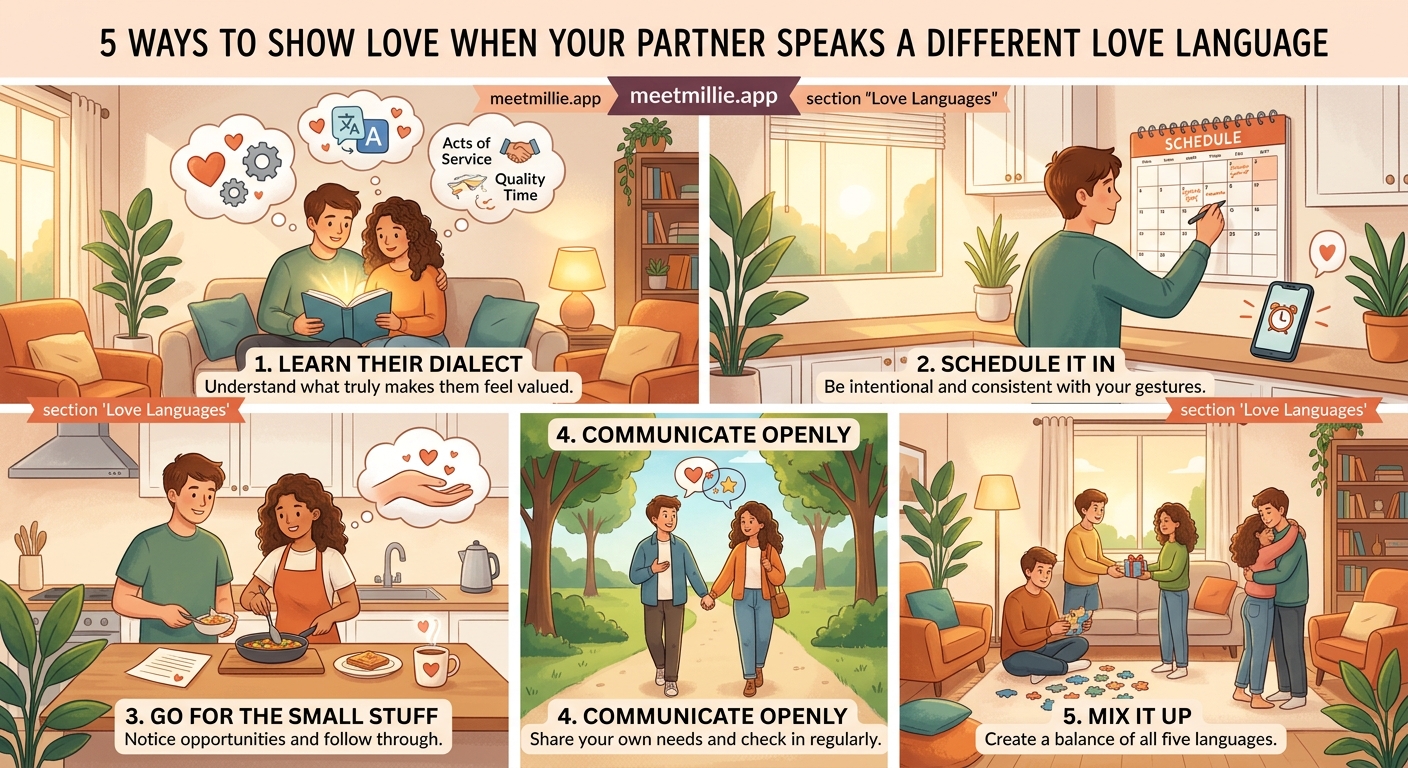
Once you know your partner’s language, you need a practical system to speak it consistently.
Here’s a step-by-step approach that works.
-
Pick one specific action in their language. Don’t try to overhaul everything at once. If your partner values acts of service and you don’t, choose one task. Maybe you’ll handle dinner cleanup three nights a week.
-
Schedule it like an appointment. Consistency matters more than grand gestures. Put reminders in your phone if needed. Treat it as seriously as a work meeting.
-
Track your follow-through for 30 days. Use a simple calendar check mark system. This builds the habit and shows you’re serious about change.
-
Ask for feedback after two weeks. Check in with your partner. “I’ve been trying to be more helpful with chores. Is that making a difference for you?” Their answer guides your next steps.
-
Add a second action once the first becomes automatic. After 30 days, layer in another expression. If you started with acts of service, add words of affirmation during those moments. “I know you hate doing dishes, so I wanted to take care of it.”
This gradual approach prevents burnout and creates sustainable change.
Common Mistakes When Navigating Different Love Languages
Even with good intentions, couples stumble in predictable ways.
| Mistake | Why It Backfires | Better Approach |
|---|---|---|
| Expecting immediate reciprocation | Your partner may not realize you’re speaking their language yet | Give it 3-4 weeks before expecting changed behavior |
| Only speaking their language during conflicts | It feels manipulative and insincere | Practice daily, especially when things are good |
| Abandoning your own language needs | Resentment builds when you’re always adapting | Teach your partner your language too |
| Treating it like a checklist | Love languages need genuine emotion behind them | Focus on the intention, not just the action |
| Assuming their language will never change | Life transitions can shift preferences | Revisit the conversation every 6-12 months |
The biggest mistake is doing everything perfectly for a week, then stopping when you don’t see dramatic results.
Change in relationship dynamics takes time. Your partner needs repeated evidence that this shift is permanent before they’ll fully trust it.
Making It Work When Your Languages Feel Opposite
Some language combinations feel especially challenging.
If you value words of affirmation but your partner values acts of service, talking feels natural while doing feels like work. If you’re a quality time person with a gifts person, you might think presents are superficial.
These combinations require extra intention.
“The goal isn’t to become fluent in a language that doesn’t come naturally. The goal is to become conversational enough that your partner feels loved. Even imperfect attempts, when consistent, create connection.” (Relationship researcher Dr. John Gottman)
Start by reframing the “foreign” language as an act of love itself.
When you do something that doesn’t come naturally, you’re demonstrating care through effort. Your partner recognizes that difficulty, which often makes the gesture even more meaningful.
If physical touch feels awkward for you but matters to your partner, start small. A hand on their shoulder when you pass by. Sitting closer on the couch. These micro-touches build comfort over time.
If words feel forced, write them down first. Text your partner a compliment. Leave a note. Written affirmation counts just as much as spoken.
Building Bilingual Fluency Together
The healthiest approach makes both partners responsible for learning.
You shouldn’t be the only one adapting. Your partner needs to learn your language too.
Have an explicit conversation about this. Share what makes you feel most loved. Be specific.
Instead of “I need more quality time,” try “I feel most connected when we have dinner together without phones and talk about our day for at least 20 minutes.”
Specificity removes guesswork and prevents the “I’m trying but nothing works” frustration.
Create a shared list of actions for each of your languages. Here’s what that might look like:
For the Words of Affirmation Partner:
– Compliment something specific they did well each day
– Send a midday text saying what you appreciate about them
– Verbally acknowledge when they do something thoughtful
For the Acts of Service Partner:
– Handle one task they usually do without being asked
– Prepare their coffee or lunch in the morning
– Take care of an errand they’ve been putting off
For the Quality Time Partner:
– Plan one distraction-free hour together each week
– Put phones in another room during dinner
– Ask about their day and actually listen to the full answer
For the Physical Touch Partner:
– Initiate a hug when you get home
– Hold hands during car rides
– Give a back or shoulder rub while watching TV
For the Receiving Gifts Partner:
– Bring home their favorite snack unexpectedly
– Leave a small thoughtful item with a note
– Remember and celebrate small milestones
Keep this list visible. Refer to it when you’re unsure how to show love on a particular day.
The list removes the mental load of constantly figuring out what to do.
When Love Languages Shift Over Time
Life changes can alter how people receive love.
New parents often need acts of service more than anything else. Someone going through career stress might crave words of affirmation. A person recovering from illness may need physical touch and quality time.
These shifts are normal and temporary.
Check in with your partner during major transitions. Ask “What would make you feel most supported right now?” Their answer might differ from their baseline language.
Flexibility matters more than rigidity.
Some couples find it helpful to have a monthly “state of the relationship” conversation. Five minutes to share what’s working and what needs adjustment. This prevents small disconnections from becoming major rifts, similar to how regular check-ins help relationships outgrow the honeymoon phase in healthy ways.
Practical Tools That Make This Easier
You don’t need to rely on memory alone.
Several tools help couples stay consistent with love languages:
-
Shared calendar with love language reminders. Set recurring reminders for specific actions. “Tuesday: Quality time walk” or “Friday: Leave appreciation note.”
-
Love language jar. Each person writes 10-20 specific actions that make them feel loved on slips of paper. When you’re unsure what to do, draw one and do it.
-
Weekly planning session. Spend 10 minutes each Sunday planning how you’ll speak each other’s language that week. This makes it intentional rather than hoping you’ll remember.
-
Accountability partner. Some couples share their love language goals with a trusted friend who checks in monthly. External accountability increases follow-through.
The key is finding a system that fits your lifestyle.
If you’re not a planner, the jar method works better than calendars. If you love structure, scheduled reminders keep you on track.
Why This Matters More Than You Think
Relationships don’t usually end because of one big betrayal. They end because of thousands of small moments where partners feel unseen.
Different love languages create those moments constantly.
You’re showing up. You’re trying. But your partner doesn’t feel it because you’re using a language they don’t speak fluently.
Learning their language isn’t about changing who you are. It’s about expanding how you express who you already are.
The love is already there. You’re just making it visible in a way they can actually see.
This shift creates a ripple effect. When your partner feels truly loved, they naturally become more generous with you. They have more emotional capacity to learn your language. The positive cycle feeds itself.
Most couples wait until they’re in crisis to address this. They go to therapy when resentment has already calcified.
You’re reading this now because you feel the distance but still have the energy to close it.
That timing matters. Small adjustments now prevent major repairs later.
Start with one action this week. Pick something specific from your partner’s love language and do it three times. Notice what happens. Notice how they respond.
That small experiment will tell you everything you need to know about whether this approach works for your relationship. And chances are, you’ll see a shift faster than you expect.