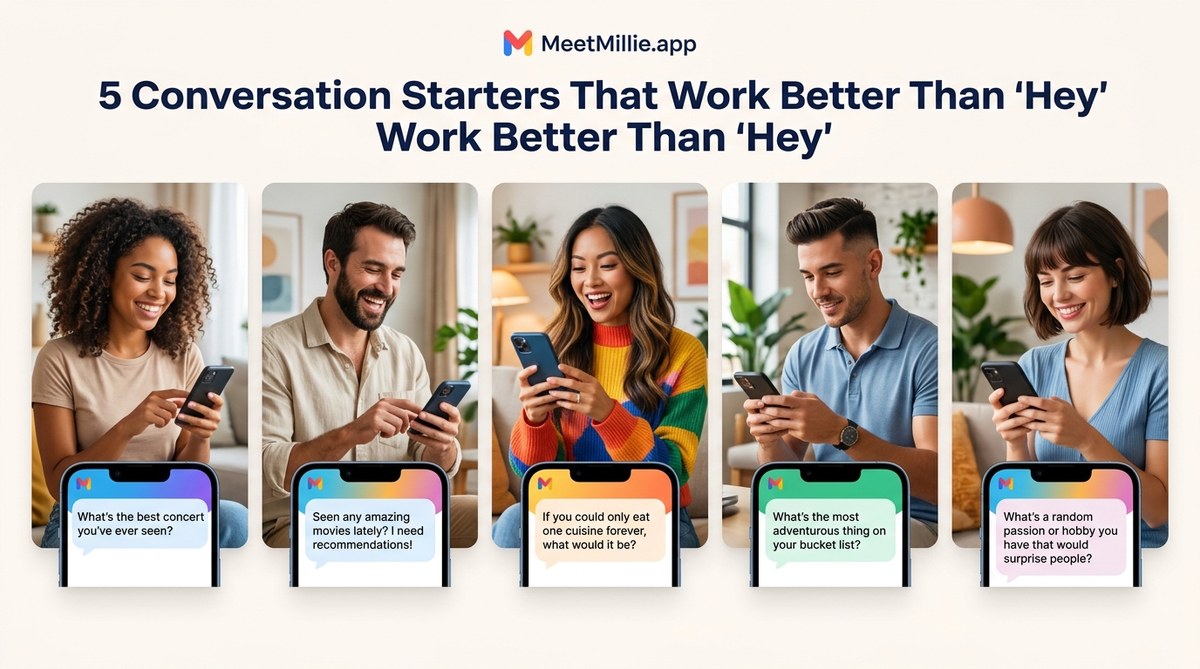
Starting a conversation can feel intimidating. Saying just “hey” often leads to awkward silences or dead-end chats. Instead, having a few go-to conversation starters can make a huge difference. These prompts help you break the ice naturally and show genuine interest. They set the stage for engaging dialogue and make your interactions memorable. If you’re ready to move beyond dull openers and create real connections, keep reading. We’ll share proven strategies and examples to transform your social game.
Using thoughtful conversation starters makes interactions more engaging and memorable. Focus on genuine curiosity, context, and humor to connect better than with simple “hey” openers.
Why Better Conversation Starters Matter
Starting a chat with “hey” or “hi” can feel safe but often leads nowhere. People want to feel seen and understood right away. Better conversation starters show effort, personality, and genuine interest. They open the door to meaningful exchanges that can develop into friendships or romantic sparks. When you skip generic openers, you stand out in a sea of superficial greetings. This approach creates a foundation for authentic connections and makes social interactions less stressful.
How To Find Conversation Starters That Truly Work
Developing effective conversation starters is a skill. Here’s a simple process to craft prompts that work in any situation.
1. Pay Attention To The Context
Notice what’s happening around you. Is someone reading a book or wearing a sports team’s jersey? Use these details to craft relevant questions. For example, if you see a book cover you recognize, ask about it. If they’re wearing a band shirt, inquire about their music taste. Contextual prompts are more natural and less intrusive.
2. Show Genuine Curiosity
People love talking about themselves when they feel someone is genuinely interested. Instead of generic questions, ask something specific. For example, instead of “How was your day,” try “What part of your day made you smile today?” or “What’s something exciting you’re working on?” This signals sincerity and invites detailed responses.
3. Use Humor And Playfulness
A light joke or pun can break the ice and ease tension. Humor shows confidence and personality. For instance, if you notice someone with a pet, ask “Is that the cutest dog or the smartest cat I’ve ever seen?” or “Would you say your pet is more of a boss or a buddy?” Playful questions make conversations fun and memorable.
4. Ask Open-Ended Questions
Avoid yes-or-no questions. Instead, frame prompts that require elaboration. Examples include “What’s a hobby you’re passionate about?” or “If you could travel anywhere right now, where would you go?” Open-ended questions encourage longer, richer conversations.
5. Be Authentic and Relatable
Share a little about yourself first. Mention a recent experience or thought, then ask for their opinion. For example, “I just tried a new coffee place—what’s your favorite local spot?” Authenticity builds trust and makes the other person more comfortable opening up.
Practical Conversation Starters That Outshine “Hey”
Here are some proven prompts to kickstart engaging conversations:
- Show genuine interest in their bio or profile:
“I saw you’re into hiking. What’s been your favorite trail so far?” - Comment on their environment or surroundings:
“This place has such a good vibe. Have you been here before?” - Use humor or wit:
“If you could have dinner with any fictional character, who would it be?” - Ask about passions or hobbies:
“What’s something you love doing on weekends?” - Invite storytelling:
“Tell me about a trip that changed your perspective.” - Get playful with emojis or GIFs:
“What’s your mood today? 😊🚀🔥” - Pose a thoughtful question:
“What’s a small thing that makes your day better?” - Discuss shared interests:
“Are you into any podcasts or books right now?” - Tap into their dreams or goals:
“If you had unlimited time and money, what would you do?” - Reference current events or popular culture:
“Did you catch that new show everyone’s talking about?”
Common Mistakes To Avoid
| Technique | Mistake | Why it Matters |
|---|---|---|
| Asking generic questions | “How’s it going?” | They’re overused and don’t spark interest. |
| Being too personal too soon | Asking about relationship status immediately | Can feel invasive or awkward. |
| Using sarcasm or teasing | Making fun of their profile | Might offend or misfire. |
| Over-questioning | Bombarding with questions | Creates pressure and can overwhelm. |
| Not listening | Ignoring their responses | Shows disinterest and kills momentum. |
Remember, a great conversation starter is less about what you say and more about how you listen and respond. Authenticity and curiosity are your best tools.
Putting It Into Practice
Start small. Keep a few conversation prompts in mind before social situations. When the moment feels right, select one that feels natural. Pay attention to their reactions and adapt. If they seem engaged, continue with related questions or comments. If they’re reserved, switch to lighter topics or share something about yourself first.
Example Scenario:
You’re at a party and notice someone with a camera. Instead of “hey,” you say, “That camera looks professional. Do you do photography for fun or work?” This shows interest and invites them to talk about their passion. As they respond, ask follow-up questions like “What’s your favorite subject to shoot?” or “Have you ever captured a moment that really moved you?”
Why It Pays To Move Beyond “Hey”
Using better conversation starters makes social interactions more fulfilling. You build rapport faster and leave a positive impression. When you show genuine curiosity, people feel valued. They’re more likely to open up and want to keep talking. Plus, these prompts can even help you discover shared interests and common ground.
Applying these techniques doesn’t mean you have to be a comedian or a philosopher. It simply requires attentiveness and a sincere desire to connect. Practice makes perfect. Over time, your confidence will grow, and conversations will flow more naturally.
The Art of Natural Connection
The key is to be yourself. Use conversation starters that reflect your personality and interests. If you love movies, ask about their favorite film. If you’re into sports, inquire about their team. Authenticity makes interactions easier and more enjoyable.
Remember, every conversation is a chance to learn about someone new. Sometimes, the best openings come from observing the little details others share. Pay attention, be curious, and enjoy the process.
Your Next Step Toward Better Connections
Start experimenting today. Keep a mental list of openers that feel genuine to you. Use context, humor, and curiosity to spark interest. With practice, starting conversations will become less daunting and more rewarding.
Engaging conversations aren’t about perfect lines but about showing real interest. With a little effort and authenticity, you’ll find that people respond more warmly and openly. Before long, you’ll be creating memorable interactions that go far beyond a simple “hey.”
A Friendly Reminder to Connect With Confidence
Every new connection starts with a simple step. Don’t wait for the perfect opening—just be yourself and show genuine interest. Over time, your conversational skills will strengthen, and social interactions will become more natural and enjoyable. Remember, the goal is to build trust and create meaningful exchanges. So, look around, pay attention, and start with something relatable or fun. Your next great conversation might be just a question away.