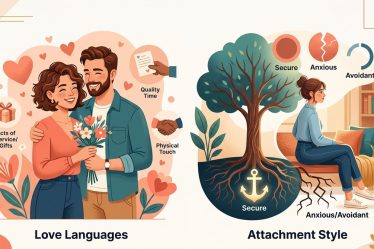
Struggling to keep your relationship healthy can feel like walking a tightrope. Sometimes, it’s the small things that cause the biggest damage. One of the most overlooked pitfalls is a love language mistake that quietly chips away at emotional closeness. If you’re unknowingly making this error, it can create misunderstandings, frustration, and distance over time. Fortunately, understanding and correcting this mistake can lead to a more harmonious, loving connection.
A love language mistake occurs when partners misinterpret or overlook how the other expresses affection. This silent error can cause feelings of neglect and disconnect. Recognizing this mistake and learning to speak each other’s love language fosters understanding and deepens emotional bonds, ultimately preventing small issues from growing into major rifts.
The silent damage of love language misunderstandings
Many couples assume that showing love in their preferred way is enough. If you feel loved when someone does acts of service, but your partner expresses affection through words of affirmation, you might miss their efforts or feel unappreciated. This mismatch can create a cycle of frustration, even if both partners are trying their best.
Over time, these unnoticed differences can erode trust and intimacy. Partners may interpret the lack of response as disinterest or neglect. Without realizing it, couples get caught in a pattern of miscommunication that damages their emotional safety net.
What exactly is a love language mistake?
A love language mistake is when someone assumes their way of expressing affection is the universal or best way. It’s the false belief that what works for one person will automatically work for another. This misjudgment often leads to unintentional neglect and feelings of being unloved.
For example, if you value gifts but your partner mostly listens and offers emotional support, you might feel your needs aren’t being met. Meanwhile, your partner might think they’re showing love, but their efforts aren’t aligning with your primary love language.
How this mistake quietly damages your bond
This mistake creates a disconnect that grows under the surface. Partners feel misunderstood or unappreciated, leading to frustration and emotional withdrawal. When one person’s love language isn’t acknowledged, they may start to question the relationship’s value or feel resentful.
Moreover, if both partners assume their own love language is the only way, they may inadvertently dismiss each other’s efforts. This misalignment causes a gradual loss of intimacy, trust, and emotional safety.
“Love languages are the keys to understanding how your partner experiences affection. When you ignore their primary love language, you risk building walls instead of bridges,” says relationship expert Dr. Susan Johnson.
Practical steps to avoid and fix this mistake
Fixing a love language mistake begins with awareness and effort. Here are three steps to ensure your expressions of love hit the mark:
-
Identify each other’s love language: Have an honest conversation about what makes each of you feel most loved. Use tools like the official love languages quiz or discuss specific scenarios that make you feel appreciated.
-
Practice speaking your partner’s love language: Once you know their primary love language, intentionally incorporate it into your daily interactions. For example, if acts of service matter most, find small ways to help or support them regularly.
-
Ask for feedback and adjust: Regularly check in with your partner about how they feel loved. Be open to adjusting your approach as needed, recognizing that love languages can evolve over time.
Common mistakes couples make with love languages
| Mistake | Explanation | How to avoid |
|---|---|---|
| Assuming your love language is universal | Believing everyone appreciates the same gestures as you | Ask and listen to your partner’s preferences |
| Only expressing love in your preferred way | Focusing solely on what works for you | Learn and practice your partner’s primary love language |
| Neglecting to recognize changes over time | Love languages can shift with life stages or experiences | Regularly revisit conversations about emotional needs |
To truly nurture your relationship, it’s vital to understand that love languages are dynamic and require ongoing attention.
Practical techniques to bridge love language gaps
| Technique | Common mistake it addresses | How to implement |
|---|---|---|
| Active listening | Assuming you understand your partner’s needs without clarification | Ask open-ended questions about how they feel loved |
| Specific acts of affection | Doing generic gestures that don’t resonate with your partner | Tailor acts of love to their primary love language |
| Verbal validation | Overlooking how important words are to some partners | Incorporate affirmations or appreciation regularly |
| Physical touch as comfort | Assuming touch is always romantic, not supportive | Use touch to convey reassurance, not just romance |
The importance of personalized love expressions
Each person’s emotional wiring is unique. Some crave words of affirmation, others value quality time or acts of service. When you customize your love expressions, you increase the chances of your partner truly feeling loved.
Remember, the goal isn’t to change who you are but to adapt your expressions to meet your partner’s needs better. This effort builds a foundation of mutual understanding and respect.
Final thoughts on nurturing love language harmony
Maintaining awareness of love languages is a continuous process. Small adjustments, honest conversations, and genuine efforts to meet your partner’s emotional preferences go a long way. When you make love languages a shared priority, you create a relationship where both of you feel seen, appreciated, and deeply connected.
Applying these principles can turn misunderstandings into opportunities for growth. Keep communicating openly, stay attentive to each other’s changing needs, and celebrate the love language that makes your bond stronger. Your relationship thrives when love is spoken in a language both partners understand.
Love is a language you learn to speak well with your partner
Take the time to discover and speak your partner’s love language. Small, intentional actions create ripples of affection that strengthen your connection. Remember, love isn’t just about grand gestures but about understanding and meeting each other’s emotional needs consistently. Keep practicing, stay curious, and your relationship will flourish in the language of genuine care.